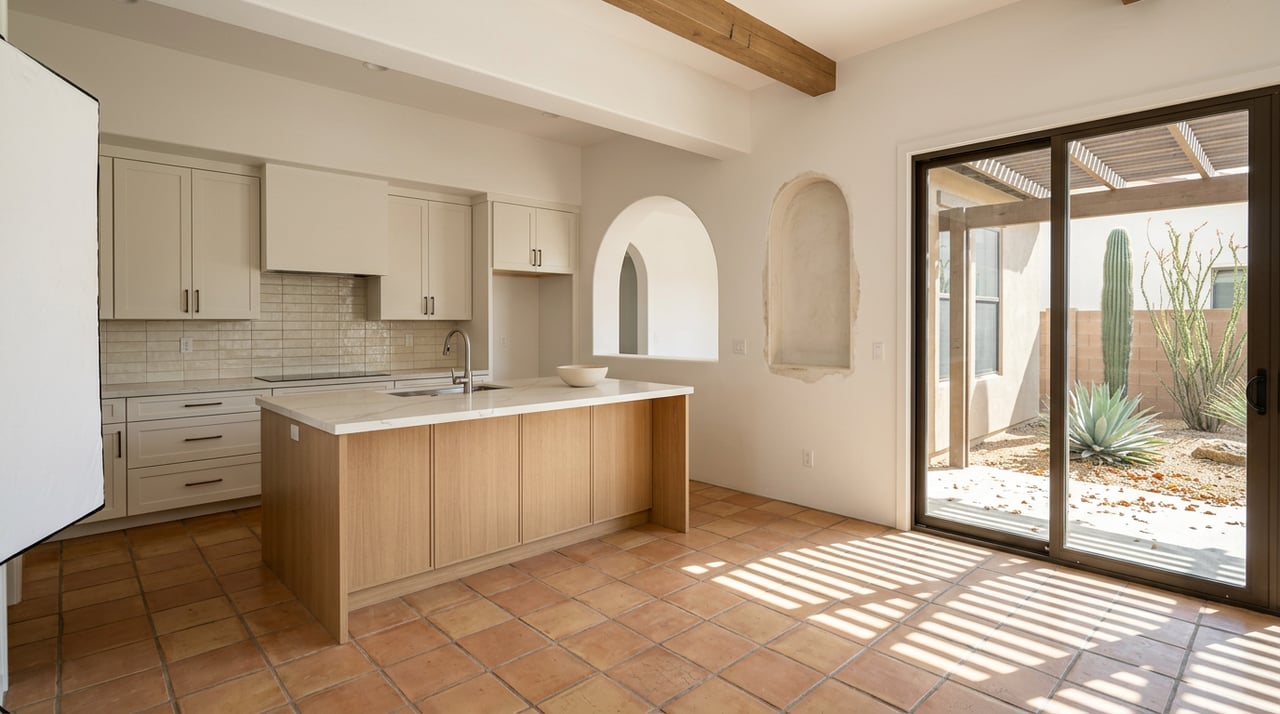
Should you pay more for a move-in ready home in Seville or buy an original and make it your own? It is a common crossroads for East Valley buyers who love Seville’s amenities and setting. You want the right balance of price, convenience, and long-term value. In this guide, you will learn what “updated” and “original” really mean in Seville, how prices tend to compare, and how to budget, permit, and finance if you plan to renovate. Let’s dive in.
Seville at a glance
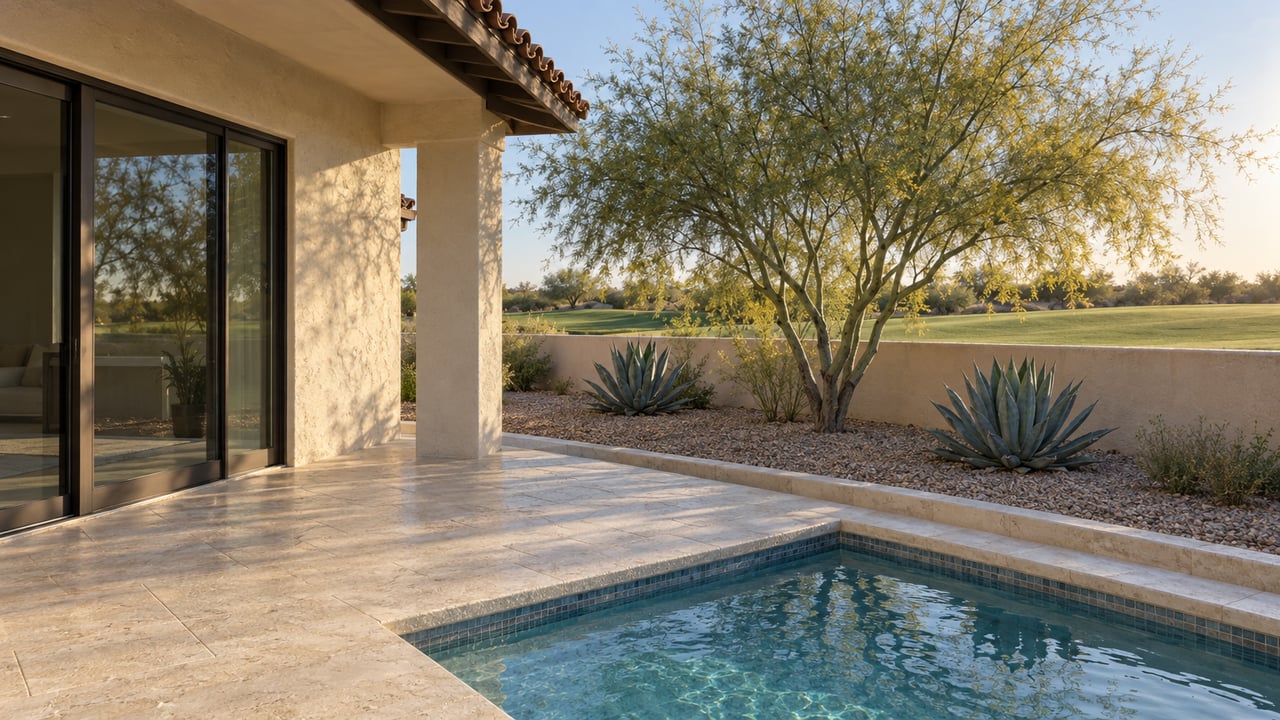
Seville is a master-planned community in Gilbert built around the private Seville Golf & Country Club, with resort-style pools, fitness, and sports amenities nearby. Subdivisions span from smaller family homes to larger estate pockets, with lot sizes that vary widely across the neighborhood. Many sections were built in the late 1990s through the 2000s, with some newer pockets added later. You can explore Seville’s subdivisions, builders, and HOA details in one place using these Seville subdivision overviews.
HOA dues and club access are separate. HOA fees typically cover neighborhood maintenance, while country club membership is optional and handled through the club, not the HOA. Many listings in Seville note “membership optional,” so confirm what is included before you write an offer. That distinction matters for your lifestyle plans and monthly budget.
What counts as “original” vs “updated”
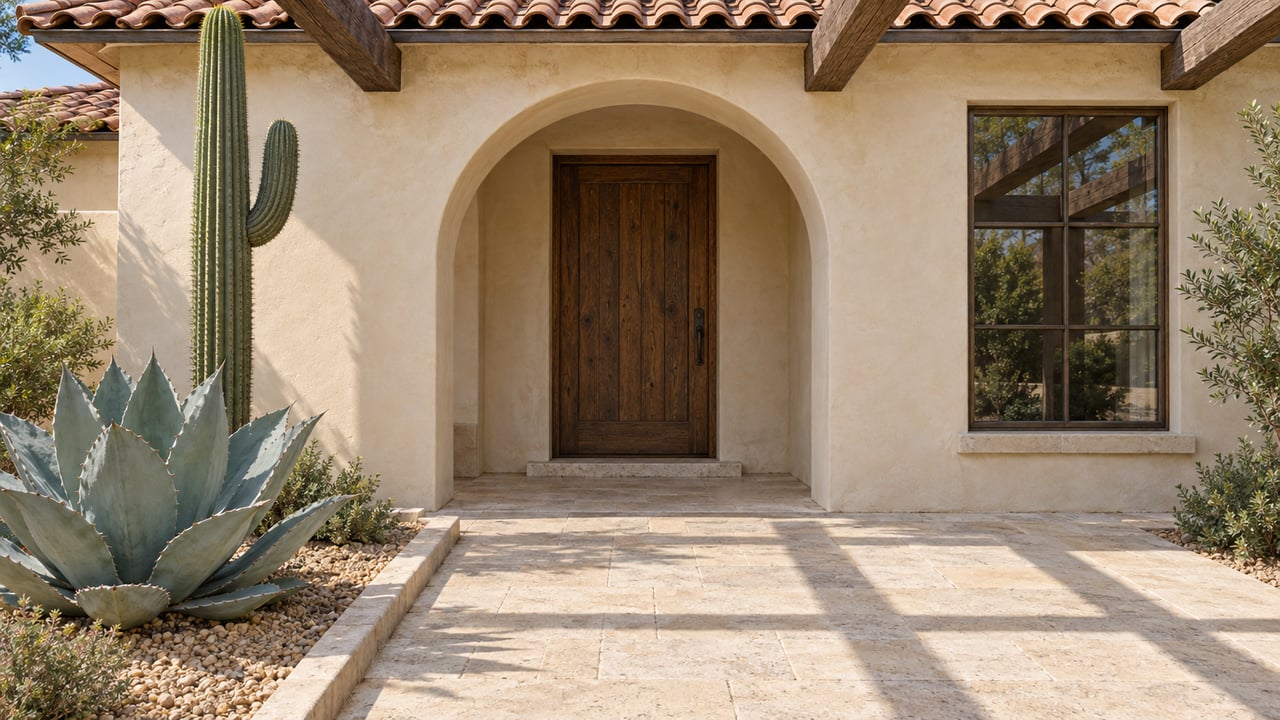
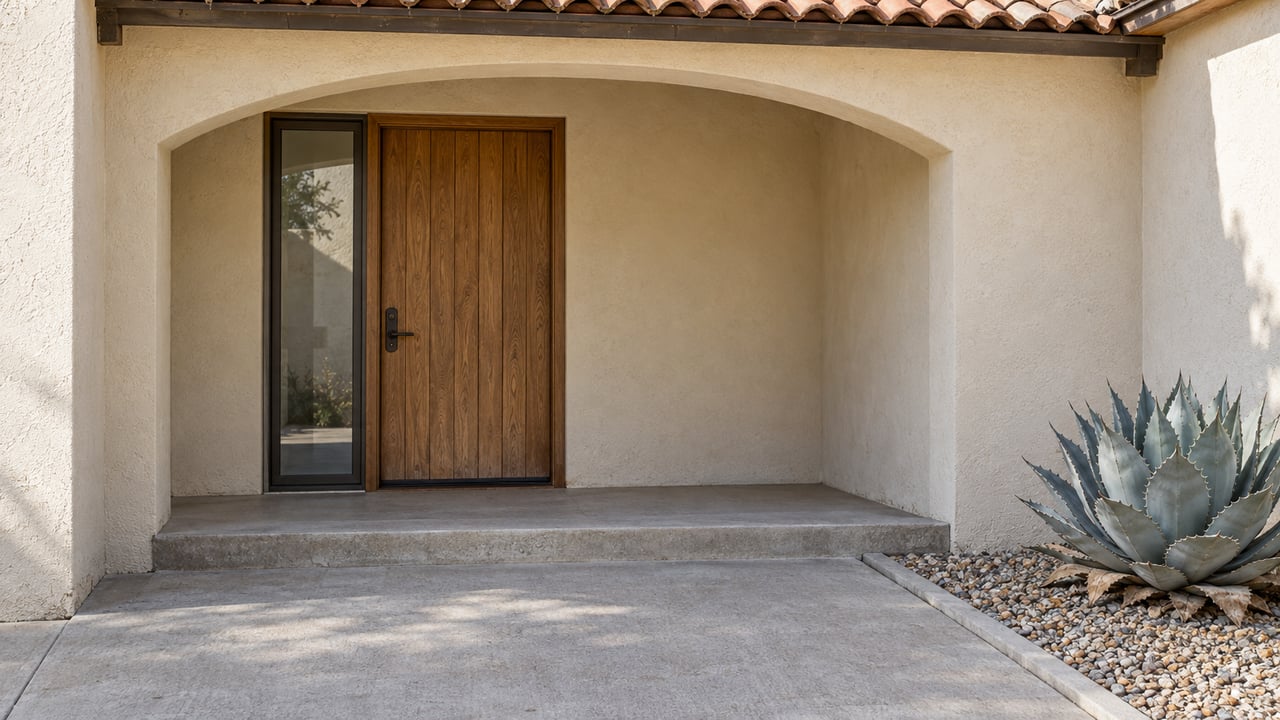
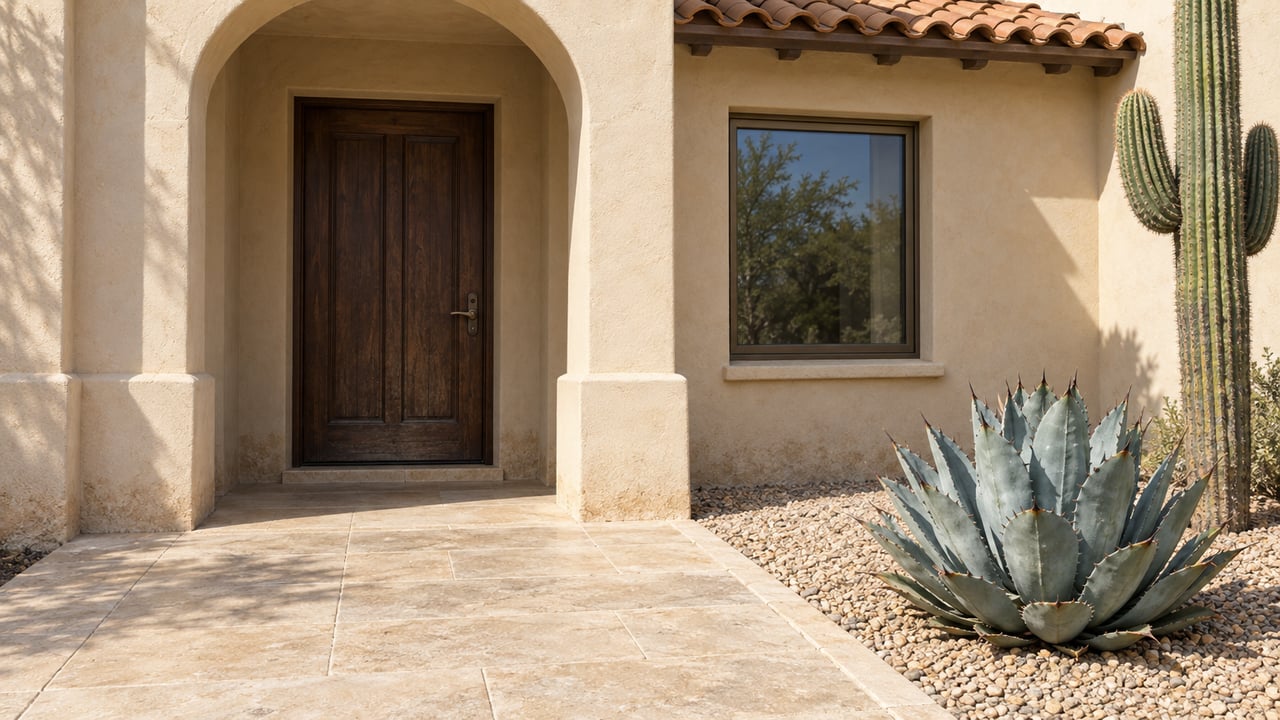
Most Seville homes were built during the early 2000s building boom. “Original” often means builder-grade finishes from that era like oak cabinetry, earth-tone tile with carpet, and standard fixtures. “Updated” usually means you will see modern flooring like LVP, quartz counters, refreshed kitchens and baths, newer lighting, and other 2015-plus style choices.
Floor plans range from smaller two-story homes around 1,300 to 2,200 square feet to large estate plans over 3,000 square feet. Some pockets, such as Legacy at Seville or Portales, skew larger, while others lean toward mid-sized family plans. Lot sizes commonly run about 0.13 to 0.25 acre for most homes, with some estate lots at 0.3 to 0.5 acre or more.
Prices and the update premium
A recent neighborhood snapshot showed a median sold price around $660,500 in mid-2025, with market pace varying by month and subdivision. You can review the latest Seville metrics in this Seville market report. Condition, size, and lot type have an outsized impact on results.
Here are common price bands you will see in Seville. Smaller or original-finish homes often trade from the mid $400s to the $600s depending on size and location. Updated mid-sized homes commonly list from the mid $500s into the $700s and $800s. Larger remodeled or golf-course homes can reach $800k to $1.5M plus.
Local sales support a meaningful premium for updates. For example, a remodeled Seville home around 3,700 square feet closed near the high end of the neighborhood at about $1.4M, showing what a full renovation plus a desirable lot can command. You can view that property at 4184 E Meadowview Dr. By contrast, similar-sized homes with more dated finishes tend to sell in a lower bracket than renovated peers in the same period. The key takeaway is that scope of work and lot quality drive the price gap, not simply the number of upgrades.
Upgrades, costs, and ROI
If you plan to buy an original-finish home and improve it, focus on projects that boost daily living and resale appeal. National Cost vs Value data indicates that a minor kitchen remodel has one of the strongest paybacks. In the 2025 national table, a minor kitchen remodel shows an average job cost around $28,000 with resale value implying more than 100 percent recoup. You can explore the project-by-project data at Cost vs Value.
Local cost ranges help you budget. A medium or minor kitchen update often runs about $25,000 to $40,000. A major, full-gut kitchen is commonly $75,000 or more. A midrange bathroom remodel often lands around $15,000 to $35,000, while upscale baths or additions can go much higher. Windows, garage doors, and roofing also rank well for resale recovery in the national comparisons. Always collect two to three local bids and keep a 10 to 15 percent contingency for surprises.
Timelines, permits, and HOA approvals
Plan your timeline from design through finish, not just the days on site. A moderate kitchen project can take several months end to end, often 3 to 6 months when you factor ordering and lead times. A typical bathroom remodel may take 4 to 8 weeks of construction, longer if you change the layout. See a practical overview of timelines here: home remodel costs and timelines.
You should also plan for permits and reviews. The Town of Gilbert publishes review time frames by project type. Many projects need at least one review cycle measured in working days, with more complex scopes taking longer. Check the current guidance in Gilbert’s plan review time frames and budget that into your schedule.
Before visible exterior changes, review your subdivision’s design guidelines. Paint colors, roofs, solar placement, fencing, and hardscape may need architectural approval through the HOA. Club membership remains optional and separate from the HOA, so weigh those costs only if you plan to use club amenities.
Decision guide: which path fits you
Choosing between an updated or original Seville home comes down to three things: budget, convenience, and upside.
Move-in ready: when to pay the premium
- You want a smooth move with minimal disruption.
- Your budget supports a higher purchase price instead of months of planning and construction.
- You value modern finishes now and prefer to personalize with furniture and décor later.
- You are competing for a premium lot like golf-course frontage or a large yard, where updates and views together command top pricing.
Fixer-to-fresh: when to buy original
- You want a lower upfront purchase price and greater control over design.
- Your timeline allows for planning, permits, and living through or around construction.
- You aim to create value by choosing projects with strong appeal and smart recoup potential.
- You are comfortable coordinating contractors or hiring a general contractor to manage the process.
A simple side-by-side example
- Buyer A targets a move-in ready 2,400 to 3,000 square foot home. In Seville, updated homes in this range often sell from the $700s into the $800s, depending on lot and scope. Buyer A pays the higher price but avoids the time and stress of renovations.
- Buyer B buys a similar-size home with older finishes at a lower price tier for the area. Buyer B sets a renovation budget of about $60,000 to $120,000 for a kitchen refresh, one bath remodel, new flooring, paint, and lighting. The work takes several months end to end, but Buyer B controls design and may narrow the value gap with nearby updated comps.
Neither path is right or wrong. It is about your lifestyle, timing, and how you want to allocate dollars between purchase price and post-close upgrades.
What to tackle first after closing
Prioritize projects that protect the home and improve daily life. Start with safety and the building envelope: HVAC, roof, electrical, and plumbing. Next, target the kitchen and primary bath if your schedule allows. Then address flooring, paint, and lighting. Round out curb appeal with a new garage door and simple landscape updates. Cost vs Value data shows kitchen, bath, windows, roofing, and garage doors perform well for perceived value and recoup at resale.
Savvy negotiation tips
For original-finish homes, negotiate a price that reflects needed work or ask for seller credits. Get rough contractor estimates early so your numbers are realistic. For updated homes, confirm the scope and quality. Ask for permits and contractor invoices where applicable and compare pricing to recent comps. Cost vs Value benchmarks can help you set fair expectations about how much of an upgrade spend typically reflects in market value.
Renovation-friendly financing
If you plan to buy and renovate, consider a single-close renovation loan. The FHA 203(k) program lets owner-occupants roll repairs into the mortgage. The Limited 203(k) can be used for smaller, non-structural work, while the Standard 203(k) covers larger projects.
For conventional options, Fannie Mae’s HomeStyle Renovation can finance a wide range of improvements with one loan. Some variants also serve second homes and investors, subject to lender guidelines. If you already own and plan updates after closing, a HELOC or home equity loan can be simple. The CFPB explains the differences between the two in this HELOC vs home equity guide.
Quick pre-offer checklist
- Pull permit history and ask for documentation on major work.
- Review your subdivision’s HOA design rules and approval steps for exterior changes.
- Confirm what your HOA dues include and that country club membership is optional and separate.
- Price the must-do projects with two to three contractor bids and add a 10 to 15 percent contingency.
- Check Gilbert’s plan review time frames so you know how permits may affect your move-in plan.
Ready to compare homes in Seville?
If you want help weighing an updated home versus an original with potential, I am here to guide you through the numbers, the lifestyle tradeoffs, and the process. I will share recent Seville comps, flag HOA and permit steps, and connect you with trusted local contractors if you plan to renovate. Let’s make a confident choice that fits your family and your timeline. Schedule a conversation with Tiffany Hardison.
FAQs
How much more do updated homes sell for in Seville?
- Local sales show renovated homes often closing in higher brackets than nearby original-finish peers, with the gap shaped by scope, lot, and timing; for example, a remodeled 3,700 square foot Seville home closed near $1.4M, while mid-sized updated homes often land in the $700k to $900k range.
Which Seville upgrades add the most resale value?
- National Cost vs Value data points to minor kitchen remodels, midrange bath remodels, window replacements, garage doors, and roofing as strong recoup projects, with a minor kitchen showing an average cost around $28,000 and more than 100 percent resale recoup in the 2025 table.
Do I need permits or HOA approval for renovations in Seville?
- Structural, mechanical, plumbing, pools, and many exterior changes need permits, and visible exterior updates often require HOA architectural approval; review Gilbert’s plan review time frames and your subdivision’s design rules before you start.
What financing can help me buy and renovate in Seville?
- Consider FHA 203(k) for owner-occupants, Fannie Mae’s HomeStyle Renovation for conventional single-close financing, or a HELOC or home equity loan if you already own; compare rates, fees, and rules for your situation.
How long do typical Seville remodels take?
- A moderate kitchen plan often runs 3 to 6 months from design through installation, while a bathroom remodel may take 4 to 8 weeks of construction; factor in ordering, lead times, and Gilbert’s review cycles when you set your schedule, as outlined in this timeline overview.